Low Exposure to China Sourcing Risk
Your results indicate a relatively low level of exposure at this stage.
You are better prepared than most first-time buyers.
Your answers reflect clarity, intent, and awareness.
However, low exposure does not mean no risk.
It means your risks are no longer obvious — but more expensive if ignored.
What Your Answers Reveal
Your responses suggest that you:
clearly understand what you want to buy
have commercial intent and allocated funds
are comfortable with structure, documentation, and inspections
This places you ahead of the majority of foreign buyers.
But this is also where sourcing dynamics begin to change.
Execution Becomes the Real Risk
At this level, problems rarely come from:
lack of clarity
ignorance
poor preparation
They come from:
production variance
assumption that “this supplier is proven”
scaling too quickly without tightening controls
The risks are no longer theoretical.
They are operational.
Relationship Comfort Can Reduce Vigilance
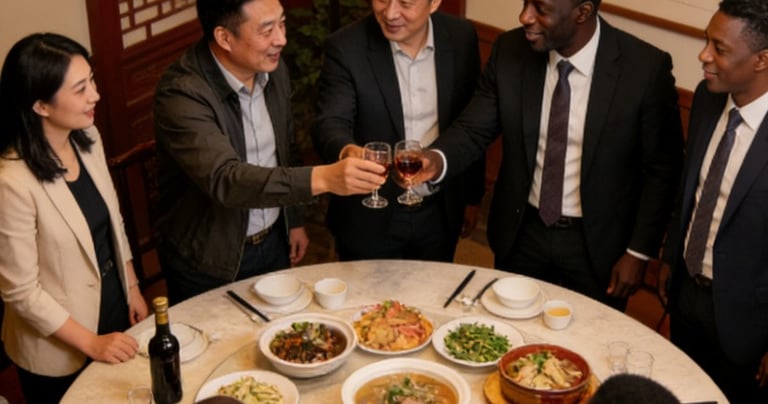
Experienced buyers often hear:
“We have worked together before.”
“You can trust us.”
And sometimes — they can.
But comfort can slowly replace verification.
This is where:
inspections get skipped
exceptions become habits
leverage erodes over time


Growth Requires a Different Skill Set
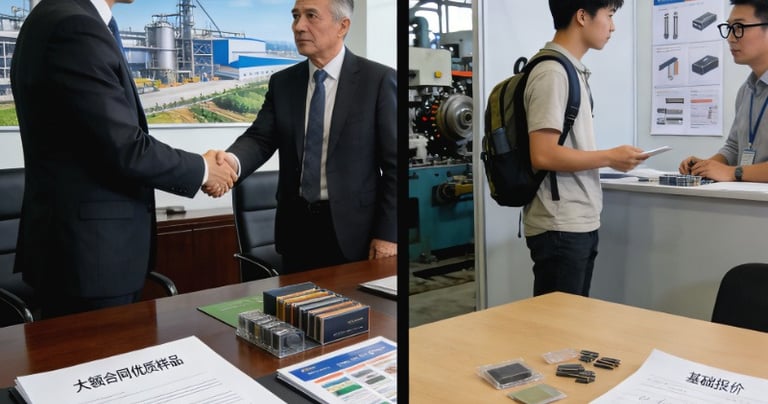
What worked for the first order often fails at scale.
Low exposure buyers now face:
batch consistency issues
payment timing pressure
dependency on a single supplier
These are second-order risks, and they require a different approach.
What You Should Do Next
Your goal is no longer preparation.
Your goal is scalable control.
This means:
strengthening execution discipline
managing supplier dependence
protecting margins as volume grows
This is where advanced modules and practical frameworks become essential.
Your Next Step
Protect what you have built — and scale with intention.
👉 Proceed to advanced execution modules - or - continue with Module 3 & 4 if not yet completed